

Innovative Energy Efficiency Solutions
When it comes to managing loading bays and industrial doors, energy efficiency is more than just a buzzword. It’s a practical necessity that can save businesses significant costs and improve operational performance. I want to share some innovative energy-saving strategies that can make a real difference. These ideas are straightforward, actionable, and designed to fit the unique needs of industrial environments.
Understanding Energy-Saving Strategies for Industrial Settings
Energy-saving strategies in industrial settings focus on reducing waste and improving the efficiency of equipment and processes. For loading bays and industrial doors, this means minimising heat loss, reducing air infiltration, and optimising door operation times.
Here are some key strategies I recommend:
Insulated Doors: Using doors with high-quality insulation reduces heat transfer. This keeps internal temperatures stable and lowers heating or cooling costs.
Fast-Acting Doors: Doors that open and close quickly reduce the time the bay is exposed to outside air, cutting down on energy loss.
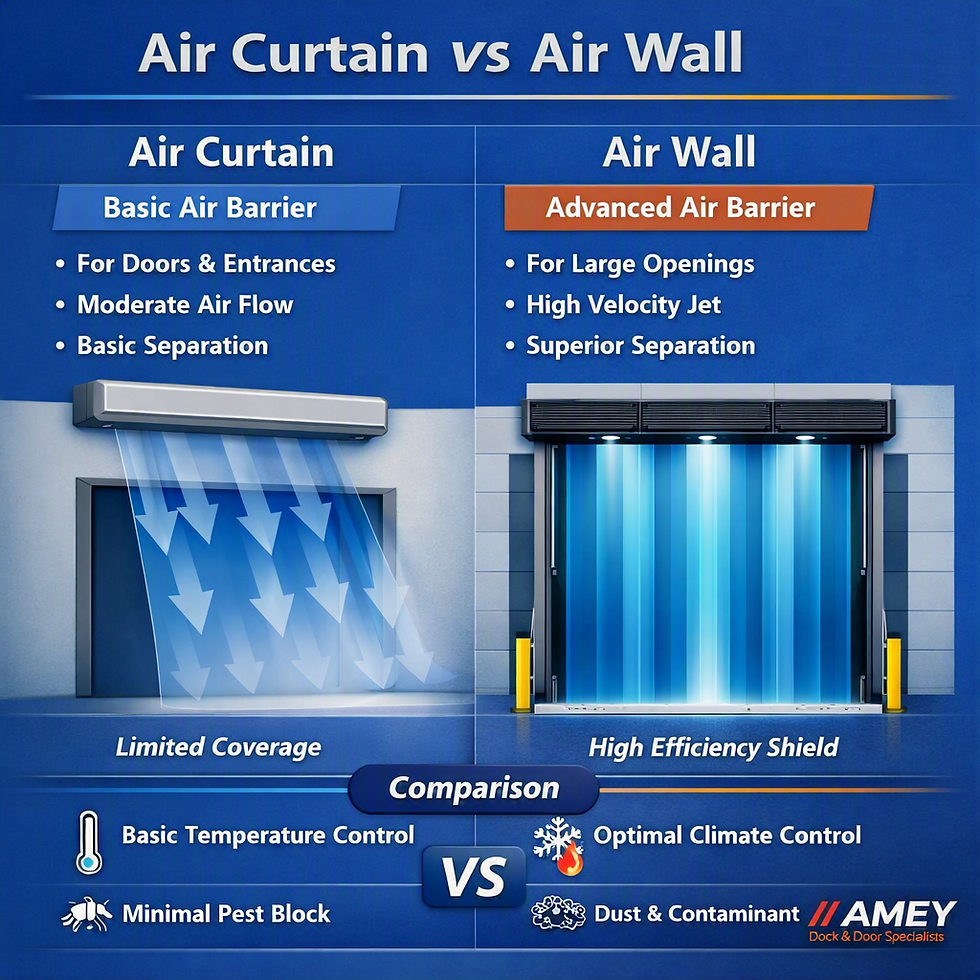
Air Doors: Installing air doors creates an invisible barrier of air that helps maintain temperature control without physical doors being closed all the time.
Regular Maintenance: Ensuring doors and seals are in good condition prevents drafts and energy leaks.
These strategies are practical and can be tailored to fit different types of industrial facilities.

Insulated industrial doors help maintain temperature control and reduce energy costs.
Practical Energy-Saving Strategies for Loading Bays
Loading bays are critical points where energy loss often occurs. I’ve seen many businesses benefit from targeted improvements here. Let’s look at some effective energy-saving strategies specifically for loading bays:
Dock Seals and Shelters
Dock seals and shelters create a tight seal between the building and the vehicle. This prevents outside air from entering and conditioned air from escaping. They are especially useful in colder climates or where temperature control is vital.
LED Lighting
Switching to LED lighting in loading bays reduces electricity consumption. LEDs last longer and provide better illumination, improving safety and efficiency.
Automated Door Controls
Using sensors and timers to control door opening and closing ensures doors are only open when necessary. This reduces unnecessary exposure to outside air.
Energy-Efficient Heating and Cooling
Installing energy-efficient HVAC systems designed for loading bays can maintain comfortable temperatures without excessive energy use.
Employee Training
Training staff to close doors promptly and use energy-saving features can have a big impact. Simple behavioural changes complement technical solutions.

Dock seals help maintain internal temperatures by sealing gaps between vehicles and loading bays.
Choosing the Right Industrial Doors for Energy Efficiency
Selecting the right industrial doors is crucial for energy savings. Not all doors are created equal, and the choice depends on the specific needs of your facility. Here are some factors to consider:
Material and Insulation
Look for doors made from materials with good thermal properties. Insulated steel or composite doors offer excellent energy retention.
Door Type
Roller shutters, sectional doors, and high-speed doors each have different energy profiles. High-speed doors, for example, reduce open time and limit air exchange.
Sealing Quality
Doors with high-quality seals prevent drafts and reduce energy loss. Check for weather stripping and tight-fitting frames.
Automation and Controls
Automated doors with sensors reduce human error and ensure doors close promptly after use.
By carefully evaluating these factors, you can choose doors that contribute significantly to your energy-saving goals.
Integrating Technology for Smarter Energy Management
Technology plays a big role in modern energy-saving strategies. Smart systems can monitor and control loading bay environments more effectively than manual methods. Here are some technologies worth considering:
Building Management Systems (BMS)
BMS can integrate door controls, lighting, and HVAC systems to optimise energy use based on real-time data.
Sensors and IoT Devices
Sensors detect door status, temperature, and humidity. IoT devices can send alerts or automatically adjust settings to save energy.
Predictive Maintenance Tools
These tools use data to predict when doors or seals need servicing, preventing energy loss due to equipment failure.
Energy Usage Analytics
Analytics platforms help track energy consumption patterns and identify areas for improvement.
Implementing these technologies requires an upfront investment but can lead to substantial long-term savings and operational improvements.
Taking Action with Expert Advice and Solutions
Implementing energy-saving strategies can be complex. That’s why I recommend working with experts who understand the specific challenges of loading bays and industrial doors. They can provide unbiased advice and tailor solutions to your needs.
If you want to explore practical and innovative energy efficiency solutions for your facility, consulting with specialists ensures you make smart decisions. From initial assessment to project completion, expert guidance helps you avoid costly mistakes and achieve the best results.
By combining the right products, technology, and operational practices, you can create a more energy-efficient, cost-effective, and sustainable industrial environment.
Energy efficiency is not just about saving money. It’s about creating a better working environment and supporting sustainable business practices. With the right strategies and expert support, your loading bays and industrial doors can become key assets in your energy management plan.

Comments